My educational technology philosophy extends from the founding philosophies such as Socratic teaching in that critical thinking has a general logic of reasoning that exists today for learners. I wonder what Edward Thorndike would say today about the stimulus reaction or response that forms an association within today’s fast paced technological and digital world. The history of educational philosophy still creates the idea of thinking in an intellectually responsible manner, while continually aiding the learner by posing facilitation through learning. Technology aids the transfer of knowledge and learning.
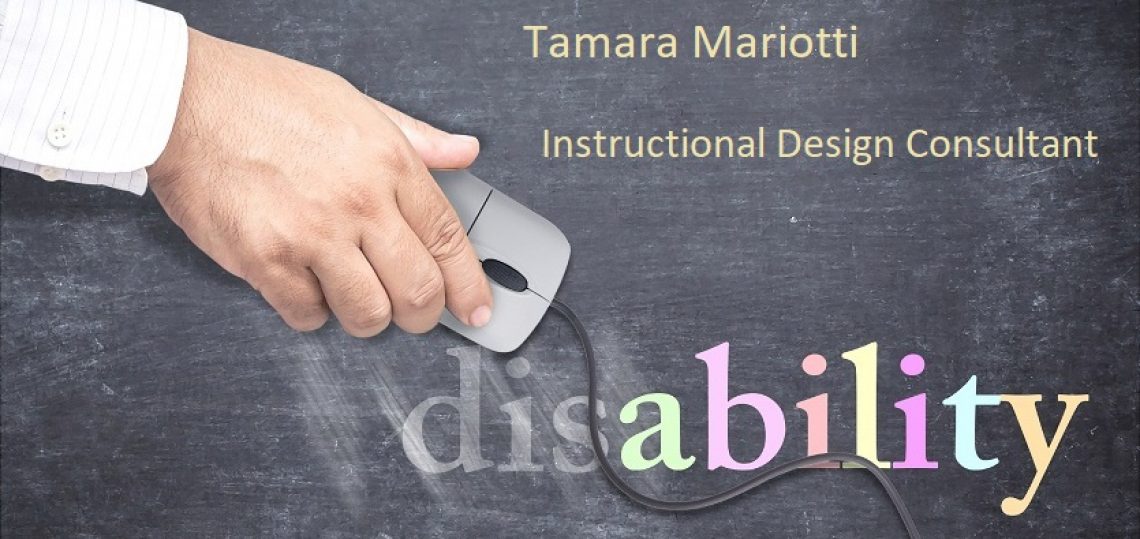
Learning is not all about the memorization of materials or regurgitating facts, it is about how to locate and find materials, how to use the technology to inspire, and create learning, it is the exploration of learning that is allowed and enforced through technology that creates rote learning. My passion is to instill the equity of learning through technology and to enhance learning for all students. Universal design for learning (UDL) is a framework to improve and optimize teaching and learning for all people based on scientific insights into how humans learn (CAST 2019). Along with UDL, it is my philosophy that all students if provided with the appropriate technology and tools, can learn. If one student is unable to use the tools and instruction, their spontaneous experimental learning is forced to stop and the likelihood of feeling excitement for learning is broken or halted.
As a teacher it is our job to create an experience for those to be able to continue the path of learning. Creating access to tools in multiple ways allows for the development of skills and the ability to interact with information and the environment. It is important to be aware of multiple types of student intelligence. Howard Gardner developed the concept of multiple intelligences. Noting that not everyone has the same abilities, nor do they learn in the same way. (Smaldino, et al. 2019). Learning includes multiple styles and must consider individual differences, including those with disabilities. Teachers are responsible to provide inclusive, seamless access to the materials that allows for students to move forward and grow. Instruction must be intuitive, consistent, and provide accessible information in an intentional learning from multiple sources of media. Therefore, we need facilitators with a clear understanding of how to incorporate technology and digital learning within all areas of study to enhance the love of learning.
Today, learners are exploring with technology outside the classrooms, with access to spontaneous activities and experimental learning through technology that is readily available. I believe that technology is a tool that allows the learner to create and acquire learning. Limiting the use of technology for learners is confusing in today’s digital society. Media literacy empowers a digital learner and allows the use of a variety of resources to make meaningful learning experiences for themselves. The use of digital tools broadens perspectives and produces creative thinkers, problem solvers, and communicators.
References:
Meyer, A., Rose, D.H., & Gordon, D. (2014). Universal design for learning: theory and practice. Wakefield, MA: CAST Professional Publishing.
Smaldino, S. E., Lowther, D. L., Mims, C., & Russell, J.D. (2019) Instructional technology and media for learning, (12th ed.). New York: Pearson Education.
 MAKE IT ACCESSIBLE